Stories from Prison

Prison changes people, those sent there, their families, even the
world outside, and it is important to hear diverse voice about those
experiences. Sal, who is 55 and lives in Catskill, N.Y., readily remembers the day he went into the prison system – Dec. 2, 1985 – and when he walked out six years later. While he says that the time in prison has not proved to be the most important determinant of his life, Sal does talk about how those years allowed him to take education courses, giving him a liking for history and politics, and how they affirmed for him his
choices to be a stand-up guy. To those who ask or listen, Sal preaches values that promote a self-directed life outside the walls.
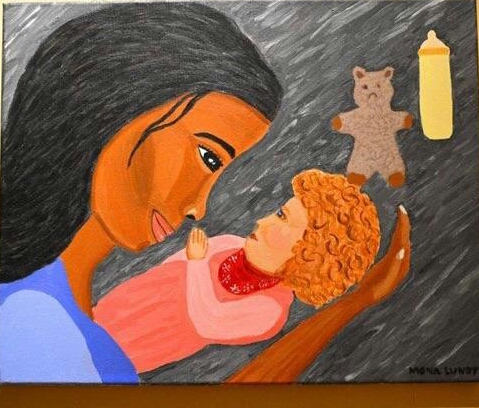
He also draws, and has a collection of the sketches he made while
incarcerated.
This is another in a series of presentations about the effects of
prison in a community sponsored by Freehold Art Exchange, Greene County on the Arts and WorkersWrite, the National Writers United Service Organization. 2015
Drawings by Salvatore Puma
Interview by Terry Schwadron and Esther Cohen
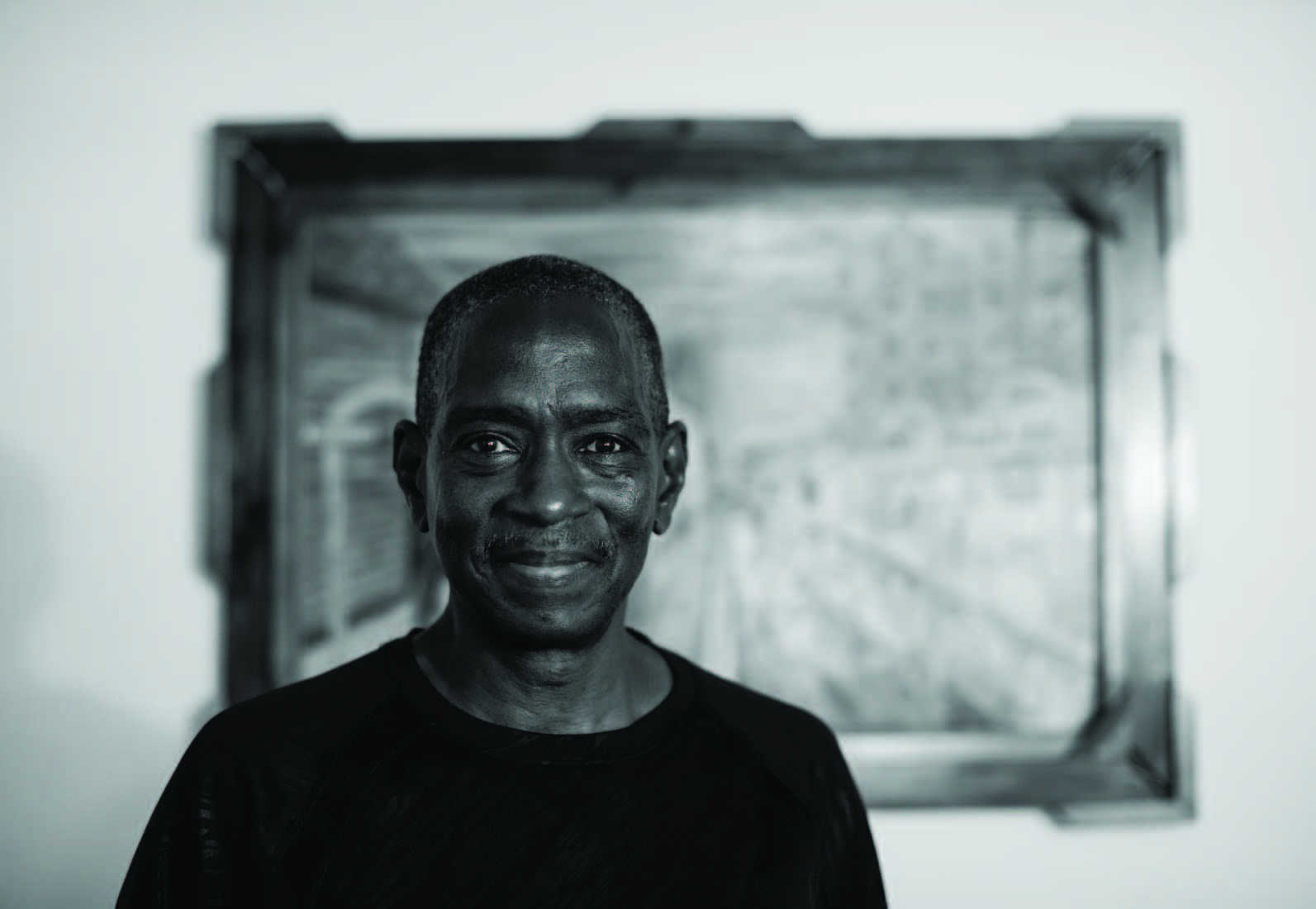
Photographs by Molly Stinchfield
SAL PUMA
The ironworks shop is in a basement on Main Street in Catskill, NY.
Sal Puma works in a neat but crowded forest of iron bars and sorted tools, with metal of different lengths leaning in multiple directions as if they were trees blown by the wind. The business is his own, and while he uses and trains others on occasion, it becomes clear that Sal is his own man, something that comes through repeatedly in his conversation.
A lot of people know him, police officers, young people, neighbors,
people in his business. He thinks that they need to spend more time and effort knowing each other, and maybe keeping one another from troubles of the sort in which he once found himself. But he thinks it is important for him to be available to those who want to ask his advice. He’s been there.
He is a small businessman, loving what he does creating custom
ironwork. As a union ironworker, he found himself building the Jet
Blue terminal at JFK, Lincoln Center, and the new Yankee Stadium;
as a local business owner, he is proud to see his ironwork, designed
and installed structural, ornamental and architectural ironwork on
local residential homes and businesses.
“I listen to people, and I give them what they want as customers,” he said as he told the story of his life. “I interpret their design ideas and build them to meet safety codes as structurally sound ironwork.”
His voice is just this side of gruff at times. He is confident and
can take care of himself, physically and spiritually. He has made it
by being a bit of a tough guy, he admits. There have been isolated
incidents, he suggests, in which a little bit of fighting has continued
to help keep things from rolling out of control.
His ideas flow out in spurts, and he is extremely articulate in
discussing a variety of topics, including politics of the day. He listens to the talk of politicians, business people and even the occasional orthodox rabbi on a website or radio show.
“I’m interested in people who have education, who have learned
something about life. They may have something to teach me, and so I listen,” he explains. “I don’t push what I’ve learned, but I am available to people if they want to talk about their problems.”
It is a respect for education, he says, that may be his biggest takeaway from his time in the prison system, and he rues the idea that education opportunities seem to be slipping away as a mainstay for prisons. “What is the Department of Corrections without the chance for correction? They should be building up the chances for those inside to take more education classes.”
Sal himself earned his high school equivalency status and most
of a college education while traveling through eight state prisons
during his six years. “I became very interested in what history
and psychology could tell us about why we do the things we do.
The stories are amazing. And political science. It all seems a little
ridiculous when you hear politicians talking.”
“Education was very important in me being able to turn my life
around,” he said. It is a central idea to Sal. Continue reading

 WorkersWrite