Duen Yee Lam

Duen-Lee-Lam

Born 1945 in Macau, Duen Yee Lam’s family moved to Hong Kong when she was age 10 . There were 5 children, and she had adult duties at age 12-13, taking care of her brothers and working to help the family. In the 1960’s she worked in electronics factories doing assembly work on small radios.  Later she worked at a custom tailor shop where she learned sewing skills and fashion industry experiences. Her husband worked in a knitting factory. They met and married in 1968. She made all her own clothes, and later clothes for her three daughters (born in 1969, 1971, 1977). She passed exams to get work in large sewing factories in Hong Kong, with good benefits and pay, as well as numerous activities for the workers.

After her children were born, she took sewing home, and worked at home on garments, and later embroidered flowers and fancy decorative trimmings.  Later she got a job as a fruit and vegetable vendor, work she could do around her children’s school schedules. She was always working to support herself and the family. She always saved money for any emergency, and the family enjoyed a secure life in Hong Kong.

The decision to immigrate to the U.S. was very difficult. Her husband’s family was in America, and petitioned for them to come. She and her husband and three girls were comfortable in Hong Kong, and being close to 40 years old, they hesitated to start all over again. The decision was postponed and postponed. The U.S. government was ready to cancel their immigrant visas. Her husband left the hard, final decision to her, and she decided to move the whole family to the USA. There were two main reasons: (1) for a brighter future for her children, and (2) for the opportunity for her husband to be with his siblings in the U.S.

After arriving in New York, she put the kids into public schools in Brooklyn near home, and got a job in a sewing factory in Manhattan’s Chinatown. She got a lot of important information about housing, schools, and jobs from relatives and the Chinese radio. She worked in a unionized factory with good benefits. Her husband worked for a construction company doing home renovations, based on work experiences on subway construction projects in Hong Kong. They lived in a Brooklyn apartment for ten years, then applied successfully for a co-op apartment (Mitchell Lama) where she still lives now. Over time, her housing, jobs, health care and children’s schooling were secure and fine.

Duen Yee was always a reliable, hard worker. She worked steadily in the Chinatown garment factory until there was  not enough work and she collected unemployment benefits for the first time (1989). The Union was offering a sewing skills class, and she signed up. The class graduation showed off the clothes produced in the class. After the class, she landed a supervisor job at a new factory managed by Hong Kong business people producing  ladies’ pants for Liz Claiborne. (The shop lasted for 3 years, then closed.) She always worked very hard and fast, and she was capable and helpful to others. She could understand and operate every special machine, and loved sewing work.

Her attitude as a supervisor (still a union member, not the factory boss) was always reasonable and fair. She did not yell at workers, fight or hold grudges.  She saw a lot of conflicts among workers in factories. For example, when there was good work in the shop, workers would fight over the bundles – to get more work, and therefore more pay, especially on the easy projects (which Chinese workers called “soy sauce chicken”-as contrasted to the difficult projects, that were called “hard pork bones”). One day two workers were fighting over the bundles, and started threatening each other with scissors, ready to fight. Everyone in the factory, including the boss, stopped to watch, but nobody stepped in to stop the conflict.  Finally, Duen Yee scolded the workers, “You spent all your hard earned savings to come to America – for what?? To hurt each other, fight, get reported to the police…why? Show a little respect!” This finally calmed everyone down. The co-workers, and employers, always respected Duen Yee for being sensible, reliable, and peaceful-and still very strong.

She created a warm and loving family environment, while teaching them about all the ups and downs they would face out in the world. In the factory, she saw parents bringing their children to work because the children told them there was no school. The parents did not know…maybe there was an exam, and the kids did not want to go to school. She always checked up with the school and her children to make sure of their work and progress. The three daughters are very close, and they always looked out for each other. When she would try to punish one of them, the other two would try to talk her out of it, offer her tea or nice words to distract her.

One of her daughters entered school in New York in the 5th grade, not knowing English and very new. The teacher asked a Chinese classmate to be her friend, but this classmate was a bully. She made her carry books and bossed her around. One day, her daughter came home with big red marks on her cheek. The girl had slapped her for refusing to do something she wanted. Duen Yee said she can still see the mark of the bully’s hand on her daughter’s face when she thinks about this incident.

She felt it was important to be strong, determined and forward looking – don’t look at the past, don’t show regrets to your family. Her husband’s construction work was very harsh and physically strenuous. Most of Duen Yee’s relatives were in Hong Kong, much too expensive to call on the telephone in those days. She got a video recorder, but every time she started to tape a message to them, she would break down and cry. She had to support and encourage her children, even when they were bullied in school…teach them not to make or get into trouble. It made her heart ache, but she managed to move forward.

She never had much schooling, and doesn’t read or write Chinese well. One of the hardest things she did was to take a Civics class with the union to prepare for the US citizenship exam. Her boss scolded her for leaving work early to attend night classes. She really wanted to become a citizen to sponsor her youngest brother to come to the US. It was a big pressure on her, and she was very happy when she finally succeeded.

After the September 11 tragedy, many Chinatown garment factories were in the downtown “frozen zone,” and closed down one by one. Duen Yee took job training classes to get certificates as a home care worker. She did this work for eight years, taking care of six different seniors. Some of the seniors were demanding. After she wiped down the table, the senior would run his hands over it to point out all the spots that were still sticky. One would watch her chopping onions or other vegetables, and tell her to cut them a certain way. Another would ask her to wash and rinse laundry 5-6 times (by hand). She would always talk with them and ask why and explain her methods. The senior who needed his laundry rinsed many times had serious skin allergies. Duen Yee had good “people skills” and was able to win the trust and cooperation of her seniors.

After retirement in 2014, she has helped to babysit four grandchildren. Her spouse helped out during his last years. Duen Yee enjoys her life in retirement, going to the senior center and sharing experiences from all her jobs and other activities with many old friends and relatives. She sings Chinese opera and practices the songs at home. She feels like there’s not enough time to do everything she wants to do!

Looking back on all her jobs, she loved working in the sewing factories the most. She knew all the machines and how to check and get the garments ready to ship out. She is happy and proud that her daughters work hard and carefully like her.

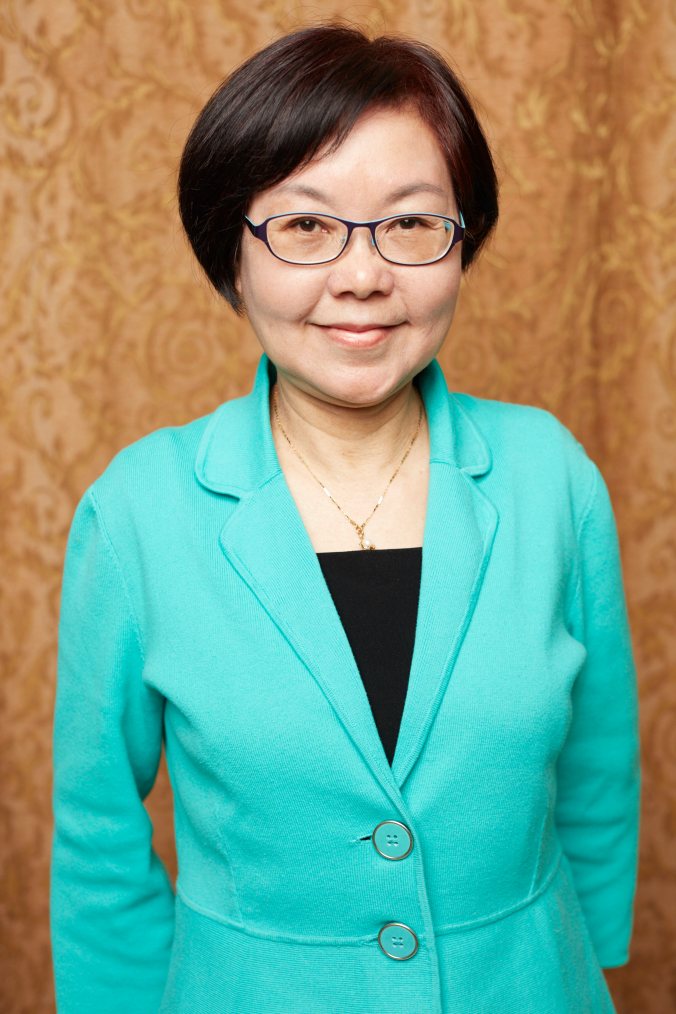
Born 1945 in Macau, Duen Yee Lam’s family moved to Hong Kong when she was age 10 . There were 5 children, and she had adult duties at age 12-13, taking care of her brothers and working to help the family. In the 1960’s she worked in electronics factories doing assembly work on small radios.  Later she worked at a custom tailor shop where she learned sewing skills and fashion industry experiences. Her husband worked in a knitting factory. They met and married in 1968. She made all her own clothes, and later clothes for her three daughters (born in 1969, 1971, 1977). She passed exams to get work in large sewing factories in Hong Kong, with good benefits and pay, as well as numerous activities for the workers.

After her children were born, she took sewing home, and worked at home on garments, and later embroidered flowers and fancy decorative trimmings.  Later she got a job as a fruit and vegetable vendor, work she could do around her children’s school schedules. She was always working to support herself and the family. She always saved money for any emergency, and the family enjoyed a secure life in Hong Kong.

The decision to immigrate to the U.S. was very difficult. Her husband’s family was in America, and petitioned for them to come. She and her husband and three girls were comfortable in Hong Kong, and being close to 40 years old, they hesitated to start all over again. The decision was postponed and postponed. The U.S. government was ready to cancel their immigrant visas. Her husband left the hard, final decision to her, and she decided to move the whole family to the USA. There were two main reasons: (1) for a brighter future for her children, and (2) for the opportunity for her husband to be with his siblings in the U.S.

After arriving in New York, she put the kids into public schools in Brooklyn near home, and got a job in a sewing factory in Manhattan’s Chinatown. She got a lot of important information about housing, schools, and jobs from relatives and the Chinese radio. She worked in a unionized factory with good benefits. Her husband worked for a construction company doing home renovations, based on work experiences on subway construction projects in Hong Kong. They lived in a Brooklyn apartment for ten years, then applied successfully for a co-op apartment (Mitchell Lama) where she still lives now. Over time, her housing, jobs, health care and children’s schooling were secure and fine.

Duen Yee was always a reliable, hard worker. She worked steadily in the Chinatown garment factory until there was  not enough work and she collected unemployment benefits for the first time (1989). The Union was offering a sewing skills class, and she signed up. The class graduation showed off the clothes produced in the class. After the class, she landed a supervisor job at a new factory managed by Hong Kong business people producing  ladies’ pants for Liz Claiborne. (The shop lasted for 3 years, then closed.) She always worked very hard and fast, and she was capable and helpful to others. She could understand and operate every special machine, and loved sewing work.

Her attitude as a supervisor (still a union member, not the factory boss) was always reasonable and fair. She did not yell at workers, fight or hold grudges.  She saw a lot of conflicts among workers in factories. For example, when there was good work in the shop, workers would fight over the bundles – to get more work, and therefore more pay, especially on the easy projects (which Chinese workers called “soy sauce chicken”-as contrasted to the difficult projects, that were called “hard pork bones”). One day two workers were fighting over the bundles, and started threatening each other with scissors, ready to fight. Everyone in the factory, including the boss, stopped to watch, but nobody stepped in to stop the conflict.  Finally, Duen Yee scolded the workers, “You spent all your hard earned savings to come to America – for what?? To hurt each other, fight, get reported to the police…why? Show a little respect!” This finally calmed everyone down. The co-workers, and employers, always respected Duen Yee for being sensible, reliable, and peaceful-and still very strong.

She created a warm and loving family environment, while teaching them about all the ups and downs they would face out in the world. In the factory, she saw parents bringing their children to work because the children told them there was no school. The parents did not know…maybe there was an exam, and the kids did not want to go to school. She always checked up with the school and her children to make sure of their work and progress. The three daughters are very close, and they always looked out for each other. When she would try to punish one of them, the other two would try to talk her out of it, offer her tea or nice words to distract her.

One of her daughters entered school in New York in the 5th grade, not knowing English and very new. The teacher asked a Chinese classmate to be her friend, but this classmate was a bully. She made her carry books and bossed her around. One day, her daughter came home with big red marks on her cheek. The girl had slapped her for refusing to do something she wanted. Duen Yee said she can still see the mark of the bully’s hand on her daughter’s face when she thinks about this incident.

She felt it was important to be strong, determined and forward looking – don’t look at the past, don’t show regrets to your family. Her husband’s construction work was very harsh and physically strenuous. Most of Duen Yee’s relatives were in Hong Kong, much too expensive to call on the telephone in those days. She got a video recorder, but every time she started to tape a message to them, she would break down and cry. She had to support and encourage her children, even when they were bullied in school…teach them not to make or get into trouble. It made her heart ache, but she managed to move forward.

She never had much schooling, and doesn’t read or write Chinese well. One of the hardest things she did was to take a Civics class with the union to prepare for the US citizenship exam. Her boss scolded her for leaving work early to attend night classes. She really wanted to become a citizen to sponsor her youngest brother to come to the US. It was a big pressure on her, and she was very happy when she finally succeeded.

After the September 11 tragedy, many Chinatown garment factories were in the downtown “frozen zone,” and closed down one by one. Duen Yee took job training classes to get certificates as a home care worker. She did this work for eight years, taking care of six different seniors. Some of the seniors were demanding. After she wiped down the table, the senior would run his hands over it to point out all the spots that were still sticky. One would watch her chopping onions or other vegetables, and tell her to cut them a certain way. Another would ask her to wash and rinse laundry 5-6 times (by hand). She would always talk with them and ask why and explain her methods. The senior who needed his laundry rinsed many times had serious skin allergies. Duen Yee had good “people skills” and was able to win the trust and cooperation of her seniors.

After retirement in 2014, she has helped to babysit four grandchildren. Her spouse helped out during his last years. Duen Yee enjoys her life in retirement, going to the senior center and sharing experiences from all her jobs and other activities with many old friends and relatives. She sings Chinese opera and practices the songs at home. She feels like there’s not enough time to do everything she wants to do!

Looking back on all her jobs, she loved working in the sewing factories the most. She knew all the machines and how to check and get the garments ready to ship out. She is happy and proud that her daughters work hard and carefully like her.
Eddie Chiu


Eddie-Chiu.jpg

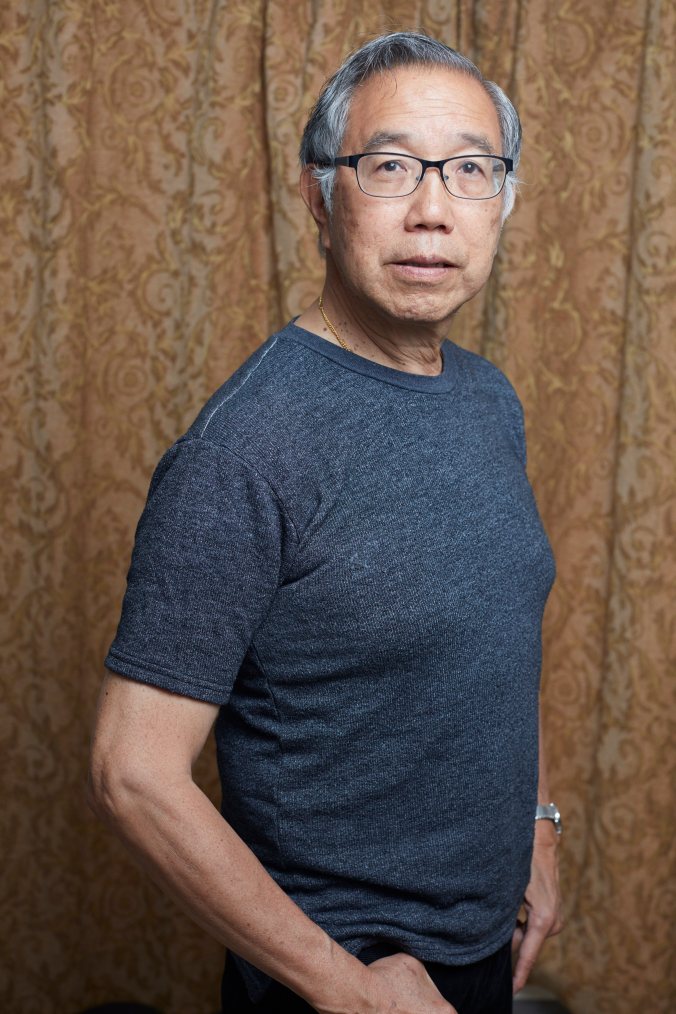
I came to America in 1980, from a long line of political leaders. My family came from the rulers of the ancient Song Dynasty. In 1948, we were chased by Maoist soldiers from China to Hong Kong. When I came to America, I started a few restaurants, one on Grand Street and another on Division. I retired when I was still young enough to give back to the community- to make life better for other people. I took over the Lin Sing Association, a very old Chinatown club, to provide space for journalists and community members to meet, to take classes and teach them, and to help people find answers to their problems.

Lana Cheung

Lana-Cheung


Living in China

I was raised by my mother, in a single-parent home. Despite having only met my father three times in my life, I had a great, loving relationship with my dad. I have known him to be a conservative, educated, patriot with strong ideals who dedicated himself to his country and countrymen. My mother grew up in the countryside, while uneducated, she was brilliant, adaptive, embraced change and all things modern. After WWII, China was chaotic and its people poor. My mother wanted to flee the country in order to provide us with a better and more stable life. My father on the other hand, felt that communism gave the country hope. He felt that it was his duty to help rebuild China, especially when China was in need. My family was split. This marks the end of my first meeting with my dad.

When I was a child, my mother—ever so bold, moved me from GuanZhou to Macau by illegally claiming a Macau resident to be my official mother. After living in Macau for a short while, I was reunited with my mother in Hong Kong. As I child, “love” to me meant sacrifice. My mother gave up a life with her husband for her daughter. My father gave up a life with his family for the love for his country.

Growing up in Hong Kong

My mother has always pushed me toward education. She insisted that I learn English even when it wasn’t popular to do so in Hong Kong. She had these three rules.

  1. Don’t be afraid of hard work and taking on more responsibilities.
  2. Don’t get caught in gossip and negativity; see the good in people.
  3. Never stop learning.

I used to think that the first rule was just a scheme just to get me to do more chores. As the only one literate in my home, my duties included the daily reading of the newspaper to my mom. I was also in charge of all the correspondence with my dad. I loved receiving letters from him and I love writing to him. I would write him about all my problems and in turn, he guided me through life from my mailbox. Although, my father was never beside me, I felt like was always by my side. I developed a love for reading. I read everything, newspaper, poetry, fiction and non-fiction. My world was filled with fantastic stories and romance. “Love” to me meant bliss. My mother’s love for my father was obvious in the daily dose of praise for him. My parents’ love for me was obvious in their care. I felt capable and was full of passion. I even went to visit my father for my sixth-grade graduation. By then, he had a new family.

After my high-school graduation I saw my dad in China for the third and final time. During that visit, I noticed that something had changed. He aged. Although we never spoke about it, I sensed a sadness in him. Perhaps he felt that his dream for a better China was unrealized. Perhaps he wondered what life would be like if he stayed with my mother and I.

In the year I became 23, my father died in March of that year. In July, my elder son was born. In September, my mother died. I noticed that I started a habit of holding on to people. I held on to the arms of my friends. I held on to the hands of my child.

Living in an orphanage

A few years later, I started working as a counselor at an orphanage called St. Christopher’s Home. For the next seven years, I lived in the orphanage and spent every minute of every day surrounded by children. I was living among other young counselors that were full of love, compassion and hope. The children were full of innocence and joy. I considered the orphanage my family. Through them, I grew stronger, wiser and once more full of love. I regained my passion and learned to use it to help others. I felt empowered as I remember my mother’s third rule. I went back to school and even learned to ride a bike.

Moving to America

In my 30’s, I immigrated to the US. I reunited with my husband but had to move away from the family I had in the orphanage. While I felt isolated, was friendless and unemployed, I also remembered my mother’s second rule. I stayed positive and hopeful. A year later, I started working with a union named ILGWU and continued to work there for the next 30 years. The union, my colleagues, union members, and community leaders became my friends, then they became my second family.

I am lucky to have such people in my life; each providing invaluable influence. I continue to apply my mother’s rules in my life. I find it rewarding to work hard and have responsibilities. I find joy and goodness in daily life. I continue to learn. The union has given me a chance to learn a great deal, such as building organizations, developing leadership, learning about the election process, spirit of democracy, labors’ rights, and multi-cultural nature of America. In 2006, the union partnered me with the NY State Senator election campaign. For the past decade, I got to work with the State Senator and helped served Chinatown community.

Like many immigrants, I am not wealthy. However, I am rich in life. I get to help others, I have a strong bond with the community I help serve and I have a wonderful family. My grandchildren like to say “Love is in the air”. It’s true that love has always been around me. Just as I feel my father’s love even though he’s not in my life. Just as I feel my mother’s love through her rules and guidance long after her passing. Just as I feel my friends’ love as they nurture me. I see my parents love through me. I see my love through my children. I see my children’s love in my grandchildren. Despite the ups and downs in my life, love has always been in the air.

Rocky Chin

Rocky-Chin.jpg

“You arrived on July 4th –  standing up!” That was how mother described my birth in 1947.  My breech-birth arrival was cause for celebration.  That it happened to fall on Independence Day, accompanied by fireworks in the Nation’s capital, was in sharp contrast to what my parents had endured in war-torn China just a few years before my birth.  My parents had left America in the late 1930s serving as civilian professionals in China.  Their first-born son perished in the harsh conditions of Chonqing, a city ravaged by perpetual bombing by Japanese fighter planes.

I was told the story of my parents’ escape from Chongqing over the Himalayas as a child. I did not understand how our family came to settle in the Appalachian hills of Kentucky, but  I appreciated the fact that my parents were forthright in sharing their early history in China with us as children.  Knowing one’s roots is critical to finding your voice.

My father’s parents were born in Toisan, a rural part of Southern China.  His father ventured across the Pacific at the age of 14.  Before finally settling in Worcester, Massachusetts – he had crossed the Pacific four times! My father and all but one of his siblings was born in America.  Their family was a curiosity in Worcester since my grandmother had bound feet and insisted on wearing Chinese garb.  My grandfather, however, embraced American customs, insisting on cooking Turkey with all the fixins for their Thanksgiving Meal.

If my father was told stories of his parents lives in China, he never shared them with us.  His first visit to China came shortly after he lost both of his parents to illness. It was 1937, and he arrived shortly before the infamous Japanese siege of Nanking, China.

My Mother grew up in Beijing, China. She was an official’s daughter. Not wealthy, but certainly more privileged than most Chinese.  Her father would escape Chinese Exclusion Laws because of his diplomatic status.  All of his children would attend American and British schools.  Years after my maternal grandfather passed away, his wife’s immigration status would be questioned by authories – despite her many years in America.  Unable to pass the citizenship English test, she was threatened with deportation, and forced to move to Canada where she lived out her last days with her oldest son.

Like many Asians in American, we are often asked: “Where do you come from?”

I am proud of my Chinese heritage and also proud of the fortuitous circumstances of being born on July 4th in Washington DC.  But the question “Where are you From” often sadly reflects a perception that we Asians in America are not “American”, that we are foreigners.  So if I answer: “I was born in Washington & I grew up in Kentucky”,  the questioner would persist in asking:  “Where are you really from?”

This question spurred me to delve even deeper into understanding my own family’s history, to understand America’s racist immigration laws which have shaped our lives but also the lives of every American.   Our family experienced segregation “American apartheid-style” explicitly during one road trip.  As we stopped by gas stations, the signs left nothing to the imagination:  “Colored Only” and “Whites Only” signs.  Having someone tell you which bathroom to go to is an experience even a young person will never forget.

In college, I chose to be a Freshman Counselor.  This meant rejecting “rushing” for a fraternity.  My father had been a harsh critique of fraternities.  I would end up having my own views published by the Alumni Magazine – and the backlash I received from the mostly white alumni was itself an education in how deeply seated racism is in America.  In graduate school, I discovered a small but active Asians American student movement. It was exciting! We founded the first Asian American Student Association, published the first Asian American Studies Journal (“Amerasia Journal”) and created and taught the first course on Asian American Studies.

By the time I entered law school, I knew I wanted to pursue a career as a civil rights or legal services attorney. Standing up for civil and human rights seemed to be a perfect life career.  I was lucky to have found a job where I would get paid for enforcing policies, laws and initiatives that I felt addressed issues of social justice and fighting inequality.  I continued to also maintain my out-side activism, since civil rights agencies are invariably always under-funded by governments.

I took a brief respite from working at the City’s Commission on Human Rights in 2001.  I was among 7 candidates running for city council in Manhattan’s District 1 -an incredible experience even though I did not win.  As a candidate, I was able to speak out about issues that I felt passionate about: affordable housing, workers rights, disability and civil rights issues, equal opportunity.  I was also able to do a lot more “soul-searching” than ever, and learned to better appreciate the relationships I had with my family and friends. The Primary -on September 11th – was obviously horrifically disrupted.  But I eventually landed a position at the State civil rights agency as Director of the Office of Equal Opportunity & Diversity, where I was able to address the importance of promoting the human rights laws amongst more New Yorkers by translating agency materials into many different languages.

For young people, it’s important to understand not only their own family’s history, but the history and struggles of diverse peoples in America to overcome oppression, racism and other forms of discrimination.

Marian Thom


Marian-ThomMarian Thom is an early Chinatown union activist, and a bilingual paraprofessional (para) who worked on reading and other programs in NYC public schools in Chinatown for 36 years.  She has motivated and defended students and fellow employees alike during a long career devoted to her community.  She helped to organize the paras into the United Federation of Teachers, and has been active in the union since 1970.
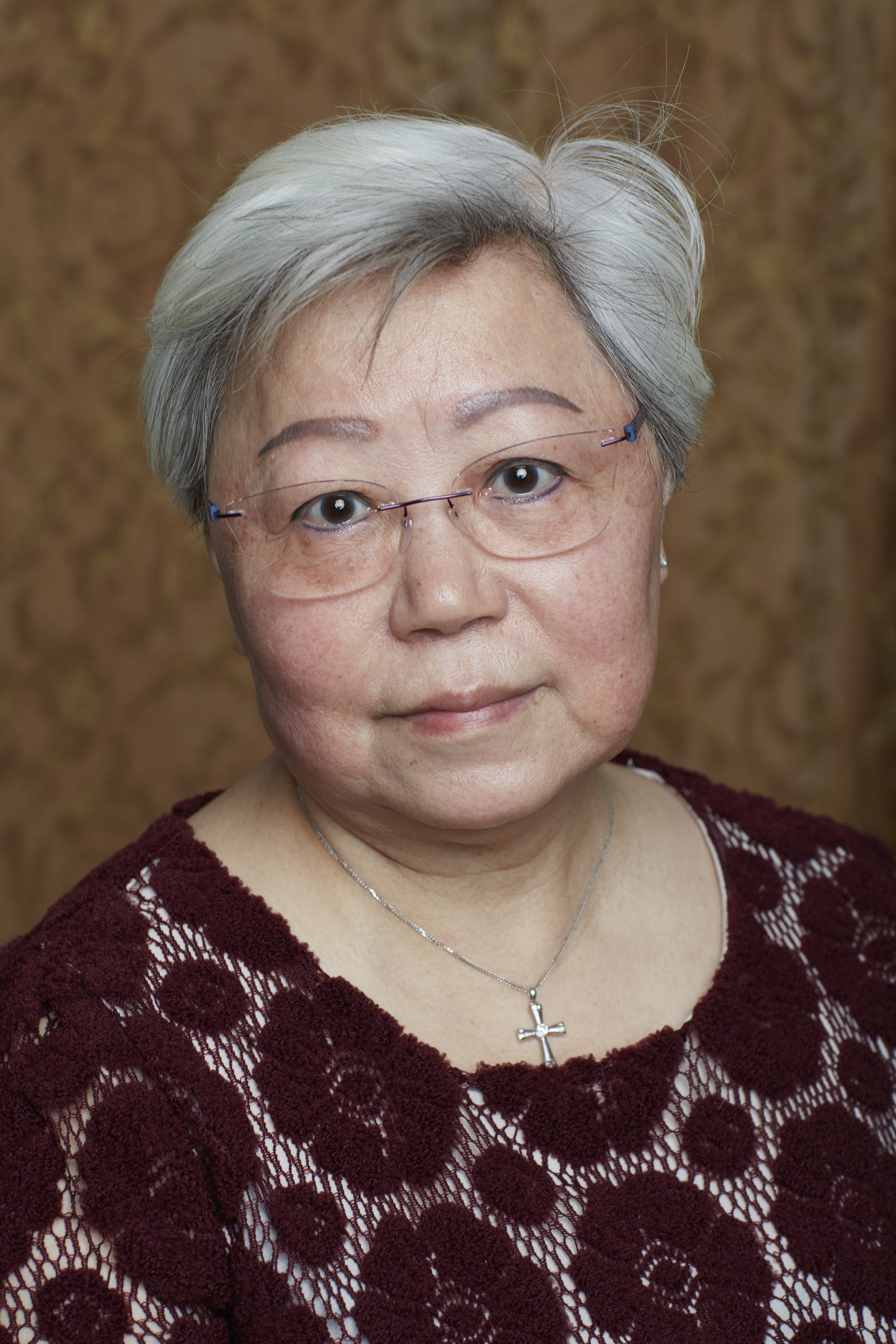
Her influence in both the schools and in the labor movement is wide ranging:  in 1990 she helped to found the Asian Pacific American Labor Alliance, serving as a national officer and national board member for some years.  She was the NY Chapter President of APALA for years, and was also active in the Coalition of Labor Union Women.

As a school para, she showed those (often rambunctious) middle school kids a lot of “tough love,” making sure they did not skip school and behaved properly in class, and worked closely with their families.  She served the local Boy Scout/Cub Scout troop for 41 years (starting with her two sons), and was on the Board of Directors of Confucius Plaza housing for 15 years.  She continues to chair the UFT’s Asian American Heritage Committee, as she has for 24 years.


Theresa Chan


Born in China and educated in Hong Kong, Teresa Chan immigrated to America in 1968. Her first job in NYC was as an accountant at Beekman Hospital, where she interpreted medical and billing matters for Chinese patients. Eight years later, as the secretary to the managing director of the Chinese-American Planning Council, Teresa befriended social workers in the office next to hers and learned about government benefits and programs available to struggling new immigrants. She shared this information wherever she discovered that someone needed help.

When the Garment Industry Day Care Center was founded in 1983, Chan worked as the administrative assistant, and she was often the first and last person that colleagues, parents, children, and visitors saw each day. In addition to managing the books, she became the reliable friend and mentor who advised frazzled new parents on coping with sick or misbehaving kids, styled the hair of the girls after nap time (many of whom looked to her in preparing for their high school proms), inspired children to return as teenage interns, and persuaded young teaching assistants to complete their college educations.

Officially, Teresa retired in 2012. But she continues her outreach efforts as a volunteer at the New York Presbyterian Hospital and elsewhere. Whenever there is an election, Teresa and her husband can be found at a polling station registering, translating, and assisting in the voting process.

Married into the Chan family, Teresa joined the Oak Tin Association, which represents members with the surnames of Chan, Chin, or Chen. Traditionally, the leaders and elders were exclusively male, but together with Council Member Margaret Chin Teresa established its first Women’s Committee. This breakthrough accomplishment is now celebrating its 14th year.

Chan’s commitment has influenced her daughters’ contributions to education and government, and it can be seen in every smiling face she greets in her daily walks throughout Chinatown

Where’s Businessman Trump?

Terry H. Schwadron

April 7, 2018

In electing an avowed billionaire businessman as president, a deal-maker devoted to creating more American jobs, Americans could have believed that they had at least one basically sound principle to pursue with Donald Trump.

Whatever else Trump did that might disrupt, act out through provocative tweet, even flip off American tradition, custom and values, he would be rock solid on looking after job creation.

How are we doing?

A year in, we’re on the verge of a huge trade war with China and others—though administration either were taking pains yesterday to say otherwise or saying, yes, a trade war is warranted,  the vaunted gains in stock market value were teetering, new job creation is starting to dwindle, and lots of companies are still laying people off. The claimed economic gains of a corporate tax cut have delivered benefits to the wealthy class, but the gains elsewhere are now openly being questioned, as the rising prices for imported goods through tariff policies will eat up any personal tax gains.

Meanwhile, housing starts are down, job training lags and the president is choosing older manufacturing and mining goals over preparing for a future competition with artificial intelligence and non-fossil fuel energy sources.

That this president is impulsive, and left without a specific agenda, tends to go back to moves that serve his most loyal base by acting first, then perhaps later actually making it work as policy, if ever. That seems to be the case with what I’d say qualifies as wildly cowboy-like actions to expand tariffs on Chinese imports by another $100 billion.

That these Trump-style, disruptive actions may lead to unintended results in the stock market, among American farmers and manufacturers who depend on imported steel and aluminum, and for consumer prices, well, that strikes me as something of a different order. If Mr. Art of the Deal is as much a savvy businessman as he thinks he is, he ought to be able to predict what happens when he fiddles with the levers of the U.S. economy.

So, my first gripe of the day, is don’t make unilateral policy if you don’t know where the actions will lead us.

My second grip of the day is: Where are the Republican congressional leaders? The silence, once again, speaks volumes. Where is the oversight over all this?

Of course, behind these gripes is a general complaint that this president refuses to heed economic learning just as he rejects Science in general. And he refuses to listen to advisers who simply are unable to persuade him of likely outcomes from taking actions.

On top of all of this, it is difficult to understand that Trump actually believes that China will bend just because he tells them to kneel to his word. After all, this is the same China that holds the largest portions of U.S. debt, that is a formidable rival for control of the South Asia sealanes, that clearly is the key to reaching some kind of peaceful agreement with the loony North Korean leader over de-nuclearization efforts for the Korean peninsula.

Why does Trump believe that faces with higher consumer prices on all sides, both Chinese and American, to say nothing of Europe and the rest of Asia, that China will decide to reform its ways? What they do in Beijing has been working pretty well for them. But even more, why does Trump believe suddenly that China will limit its responses to trade issues alone, that it will not reach into a more complete diplomatic, financial and strategically military response as well?

The more I see of Trump as businessman, the less I am impressed. I realize that Trump enterprises have gone south multiple times over the years, and that he has been sued oodles of times over underpayment or non-payment of contracts. I am sure, without sufficient evidence, that he has failed to share his income taxes because he wants to keep some aspect of the tax returns extremely private either because the returns shows he has cheated or that he is not worth what he says he is. I realize that Trump’s negotiating style is just as much at issue as the policy he seeks to win.

The new job figures this week show about 104,000 jobs, about half the amount of job creation as had been expected, offsetting the hyped addition of 300,000 in January. In fact, the Labor Department now is saying that January figure must be adjusted downward. The entire Trump economic effort is tied to job creation, particularly in mining, steel and heavy-metal manufacturing.

Data show that, as this column, at least, predicted, companies are choosing to spend more money on retiring debt and stock buybacks, and then on technology investments, than on job creation.  Wages have remained stagnant, despite the hype over tax cuts, the wage gap between workers and bosses have grown wider and any improvements have served the specific Rust Belt areas where Trump won over broader support for job creation in new technologies.

Whatever gains there have been in corporate taxes and rising markets have now given way to nervousness and market uncertainty. It seems an economic truism that in uncertain times, markets lose value.

The very fact that the White House has been given the assignment to calm nerves should say a lot about how reckless the tariff approach is proving to be.

Bottom line: The one thing Trump may have brought to the job as an advantage is itself unraveling as he sows disruption around with trade partners.

Maybe the president just needs a bigger America First hat.

##


Public School Story Telling

WorkersWrite engaged in a project with City Lore called “A Life Well Crafted” to engage students in three New York City public schools to explore contributions of community activists and artists to their neighborhoods and city.

The program was inspired by the Clara Lemlich Awards given each year by Labor Arts and the National Writers United Service Organization, otherwise known as WorkersWrite, honoring women activists. The award is named for Clara Lemlich, a young Ukrainian Jewish immigrant who as a leader of the massive strike by shirtwaist workers in 1909, and by City Lore’s People’s Hall of Fame, honoring individuals who jave made a lasting contribution to cultural life.

Students worked with teaching artists to interview Lemlich and City Lore honorees, created portraits through song and spoken word poetry with some public events for families and neighbors.

Some of the songs and poetry are captured here and there is more information for teachers here

The project helped our organization to establish a partnership with City Lore that enabled us to achieve our goal of bringing our Clara Lemlich honorees and other community based activists to the city’s public schools. It also helped us to achieve our goal of raising students’ awareness of the important roles that artists and local activists play in community life and how the arts can be a powerful tool for civic engagement and social change. Students also learned about their guests’ career paths and how they used their art to serve a greater good.

##

Women’s Writing in the Philippines

By Marivir R. Montebon

New York City – My women writer sisters in the Philippines have given birth to a new news website, WomenWritingWomen.org and I share their happiness and triumph. I have been in touch with them scarcely but as what women say they will do, the website is born, on March 7, a day before International Women’s Day! Here is to profound, fun, and quality reading to all people all over the world. Thank you to my friends who think outside the box, Diana G. Mendoza, Pinky Serafica, and Diosa Labiste. Welcome to our brave and safe writing space.

Dear Diosa Labiste, this is a long time coming. I miss reading you.

Diosa Labiste writes on WomenWritingWomen.org:

This social news site emerged out of despair by some writers, feminists, activists and, (as they call themselves), witches rolled into one. Some months ago, a news site where we honed our skills as writers and which we continued to support, through falling revenues, readership and enthusiasm, had closed down. Its demise was inevitable for reasons that we rather keep to our sad selves. It’s safe to say that it reached a cul de sac and the barrier was quite high to hurdle. But as the ink has started drying, we grew restless. We wondered if we could live without writing as women and for women. How do we recreate a community of women writers and connect with new ones. Is a community of writers still relevant in the age of social media when one can easily have a platform for airing one’s views and assemble followers who could click, like, tweet, retweet one’s words? Fake news sites, for example, would buy bots to make their accounts viral.

However a community of women writers is a different space. First, it is a space for teaching and learning. We learned that long ago when we were starting out as writers. We watched how seasoned writers polished our stories, taught us the basics, and tempered our idealism with reality. Second, it is a space of resistance. For example, our editors helped us make sense of the women’s movement in the Philippines and convinced us why writing about women crucially contributes to strengthening the struggle for equality of women and men. We allowed our stories to reveal various forms of sexual and structural discrimination as a function of societal differences like gender and class. Third, it is a space for empowerment. Through our writing, we enacted our politics and registered our protests against injustices and gender oppression that we saw and experienced in our lives.

Having experienced that kindness, it became apparent to some of us, younger writers, that perhaps it is our turn to do the same.

Continue reading here: 

https://womenwritingwomen.org/2017/03/07/we-were-warned-things-were-explained-to-us-nevertheless-we-persisted/ 

Marivir has a blog at www.justcliquit.com


On the Power of Faith

By Angelica Ingunza

There are some people you admire for something.  Sometimes it is for their courage or for their work, for their honesty or for their will to live.  That I will call “faith.”

That is the case of my friend Gabriela.  She got lupus before she was married.  She was really sick, but she always believed that God would help her.  Her boyfriend proposed marriage to her even when he saw her with no hair or nails, and all her body covered with bruises.  I give a  thumbs up to this guy.  Another one in his place would have left her as many that I have known did.  He demonstrated for her a real love.  He worked in the Air Force, and he gave her his health insurance.

She got treatment for her illness and one year later, she felt better and then the unexpected happened.  She was pregnant. The doctors had told her that because of her illness, she couldn’t get pregnant.  But she always thought that a miracle could happen.  All her doctors said that she had to abort the baby or she would die.  She took the risk.  She knew that God would help her.  Five months later, her family took her to the emergency room.  The doctors said that they couldn’t feel the baby’s heart.  They had to do surgery because maybe the baby was dead, and they would try to save Gabriela’s life.  She had only one percent chance of living.

What was the miracle?  Both lived!  The baby weighed only 700 grams, and she was put in an incubator.  Now that baby is 20 years old, and she is adorable.  Currently she is studying to be a doctor.

This isn’t the finish.  Eight months ago, Gabriela had an accident.  She broke her hips.  The doctors said that it was going to be very difficult for her, and maybe she would never walk again.  But her willpower and her faith made sure that she did walk again.

How much I admire her!

ANGELICA INGUNZA came from Peru 20 years ago after graduating from university in Peru as a graphic designer.  She lives in in Flushing, and studies English in the Consortium for Worker Education/Workers United Education Program.  Her teacher is Jackie Bain, and the program director is Sherry Kane.